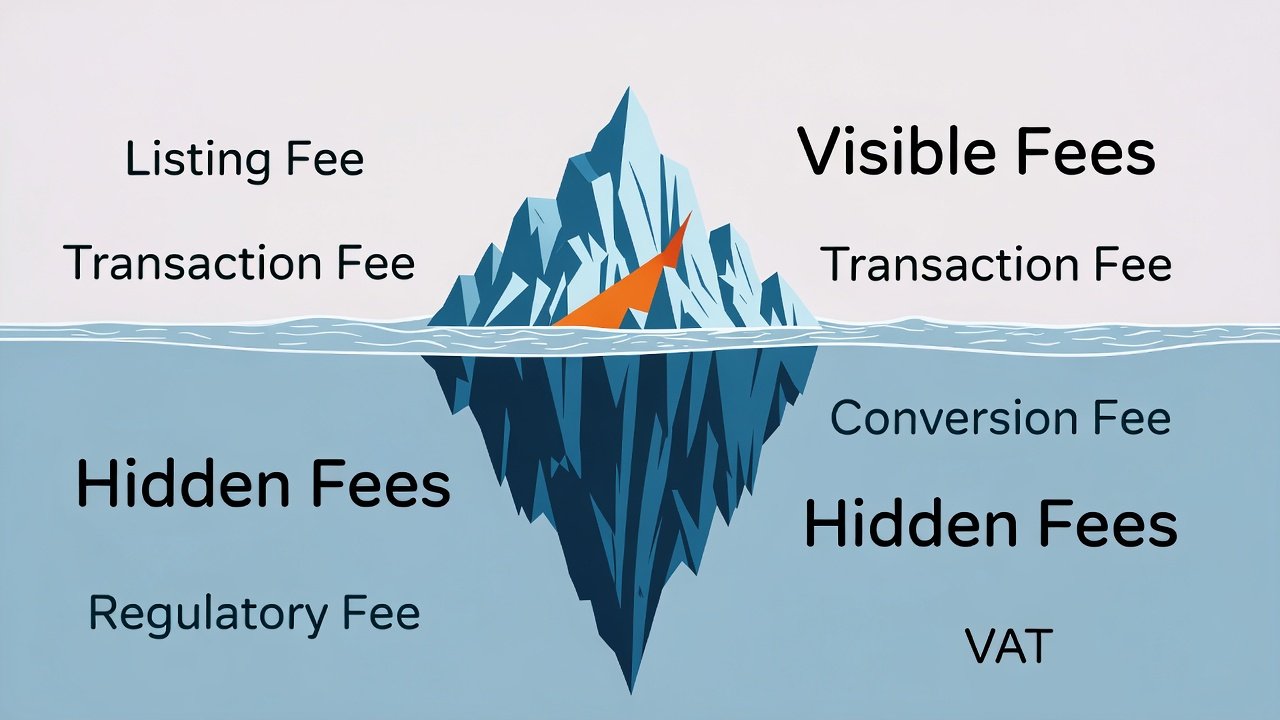
What Are Hidden Etsy Fees?
Hidden Etsy fees are costs you might not expect. They do not show up in big bold letters. But they still come out of your profit.
Knowing these fees helps you plan better. You can price your items correctly. You avoid surprise deductions at the end of the month.
This guide reveals the fees many sellers miss. Simple words. Real examples. No scare tactics. You can handle this.
The Fees Everyone Knows About
First, let's review the obvious fees. These are easy to see and plan for.
Listing Fee: $0.20 Per Item
You pay this when you publish a listing. It is clear and upfront. Most sellers expect this cost.
Transaction Fee: 6.5% of Sale
Etsy takes this when your item sells. It applies to item price plus shipping. This one is also well-known.
Payment Processing: ~3% + Fixed Fee
This covers credit card and bank transfer costs. The rate varies by country. Still, most sellers plan for it.
Hidden Fee #1: Currency Conversion Costs
This fee hides in plain sight. Etsy charges fees in USD. Your bank account uses your local currency. Conversion happens somewhere.
How It Works
If you sell in USD but receive EUR, someone converts the money. Etsy or your payment processor does this. They add a small margin, usually 2.5%.
Example: You earn $100 USD. After conversion, you receive €92 instead of €95. The missing €3 is the hidden conversion cost.
How to Reduce It
Price in your local currency when possible. Or build a 3% buffer into your USD prices. Track exchange rates monthly. Small adjustments protect your profit.
Hidden Fee #2: VAT or GST on Etsy Fees
Many countries charge tax on business services. This includes Etsy fees. You pay VAT or GST on top of your regular fees.
Which Fees Include Tax?
Listing fees, transaction fees, payment processing, and ads often include local tax. In the UK, that is 20% VAT. In Australia, 10% GST. In Canada, 5-15% GST/HST.
Example: A £1.00 fee becomes £1.20 with UK VAT. The extra 20p goes to the government, not Etsy.
Can You Claim It Back?
If you are VAT or GST registered, you may reclaim this tax. Keep separate records for tax on fees. Your accountant can help you claim it.
Not registered? This cost is permanent. Factor it into your pricing from the start.
Hidden Fee #3: Regulatory Operating Fees
Etsy charges small compliance fees in certain countries. These cover local legal costs. They appear as tiny percentages but add up.
Which Countries Pay This?
UK: 0.32%, France: 0.47%, India: 0.29%, Canada: 1.15%, Spain: 0.72%, Türkiye: 2.27%.
Example: A €50 order in France. Regulatory fee: €50 × 0.47% = €0.24. Small per sale, but noticeable over hundreds of orders.
How to Track It
Check your Etsy Payment statement. This fee appears as a separate line item. Export your data monthly. Add a column for regulatory fees in your tracker.
Hidden Fee #4: Offsite Ads You Forget About
Offsite Ads promote your items on Google, Facebook, and Pinterest. You pay 12-15% only when they make a sale. But many sellers forget this fee exists until they see the charge.
Who Gets Charged?
Sellers earning $10,000+ per year cannot opt out. Etsy enrolls them automatically. Smaller sellers can turn it off but may miss new customers.
Why It Feels Hidden
The fee does not show at checkout. It appears later on your payment statement. If you do not review statements regularly, it surprises you.
How to Manage It
Check Shop Manager > Settings > Offsite Ads monthly. See which sales came from ads. Decide if the cost is worth the new customers. Adjust your pricing to include this fee if you keep it on.
Hidden Fee #5: Shipping Surcharges and Dimensional Weight
Carriers like USPS, Royal Mail, or Canada Post charge extra for heavy or bulky packages. This is called dimensional weight pricing.
How It Works
A large but light box may cost more to ship than a small heavy one. Carriers charge based on size AND weight. Many sellers only weigh items and miss the size factor.
Real Example
You ship a pillow in a 12x12x6 inch box. It weighs 1 lb. But dimensional weight calculates it as 3 lbs. You pay for 3 lbs, not 1 lb.
How to Avoid Surprise Charges
Use the smallest box that fits your item. Compress soft items when possible. Check carrier calculators before listing shipping costs. Build a small buffer into your shipping price.
Hidden Fee #6: Etsy Ads Daily Budget Creep
Etsy Ads let you set a daily budget. But "up to $5 per day" can become $150 per month fast. Many sellers forget to check their ad spend.
Why It Adds Up
Ads run every day. Even slow days cost money. If you do not track clicks and sales, you may pay for ads that do not convert.
How to Stay in Control
Set a weekly ad review reminder. Check clicks, sales, and cost per sale. Turn off ads for listings that do not convert. Start small: $1-2 per day. Scale only when you see profit.
Hidden Fee #7: Refund and Cancellation Costs
When you refund an order, Etsy returns most fees. But not all. The $0.20 listing fee is never refunded. Payment processing fees may only partially return.
Real Cost of a Refund
You sell a $30 item. Buyer returns it. You refund $30. But you lose the $0.20 listing fee plus any non-refundable processing costs. You also lose time and materials.
How to Reduce Refund Losses
Take clear photos. Write detailed descriptions. Answer questions before buyers ask. Good communication prevents many returns. For unavoidable refunds, factor a small loss buffer into your pricing.
Hidden Fee #8: Bank Transfer and Payout Fees
Some banks charge fees to receive international transfers. Etsy deposits money to your bank. Your bank may take a cut.
Who Gets Charged?
Sellers in countries with less common currencies often see this. A $50 deposit might arrive as $47 after bank fees.
How to Check
Review your bank statements. Compare Etsy deposit amounts with what actually lands in your account. Note any differences. Ask your bank about incoming transfer fees.
Step-by-Step: Find Your Hidden Fees
Use this simple process to uncover costs you might miss.
Step 1: Export Your Payment Data
Go to Shop Manager > Finances > Payment account. Click "Download" or "Export". Save the CSV file.
Step 2: Scan for Unfamiliar Charges
Open the file. Look for fee types you do not recognize. Common hidden ones: "Regulatory", "Currency Conversion", "VAT on Fees".
Step 3: Calculate the Total Impact
Sum all hidden fees for one month. Divide by your number of sales. This shows the hidden cost per order.
Step 4: Adjust Your Pricing
Add the hidden cost per order to your item price. Even $0.50 extra protects your profit over time.
Tips to Avoid Hidden Fee Surprises
Stay ahead of unexpected costs with these habits.
Review Statements Monthly
Block 15 minutes each month. Open your Etsy Payment report. Scan every line. Note any new or changing fees.
Keep a Fee Tracker Spreadsheet
Create columns for: Fee Type, Amount, Date, Notes. Update it monthly. Patterns become clear over time.
Price with a Buffer
Add 5-10% to your cost calculations. This covers small fee changes, conversion losses, or unexpected charges.
Ask Questions Early
See a fee you do not understand? Click it for details. Or contact Etsy Support. Better to ask now than wonder later.
Common Mistakes That Hide Fees
Even careful sellers miss costs. Watch for these traps.
Mistake 1: Only Checking the Dashboard Summary
The Overview tab shows totals. But details live in the Fees tab. Click deeper to see the full picture.
Mistake 2: Assuming Fees Stay the Same
Etsy updates fees occasionally. Exchange rates change daily. Review your costs quarterly, not just once.
Mistake 3: Ignoring Small Amounts
A $0.15 fee feels tiny. But 100 sales means $15. Small leaks sink big ships. Count everything.
Final Checklist: Hidden Fee Ready
Before you list or price, confirm these points:
- I exported and reviewed my Etsy Payment statement this month
- I identified any regulatory, conversion, or tax-on-fees charges
- I calculated hidden costs per order and added a buffer to my pricing
- I set a monthly reminder to review fees again
- I keep a simple tracker for unexpected charges
- I ask Etsy Support when I see an unfamiliar fee
If you checked most boxes, you are ready to spot hidden fees with confidence.
Final Thoughts on Hidden Etsy Fees
Hidden fees are not tricks. They are just easy to miss. Knowing them puts you in control. You can plan, price, and profit with clarity.
Start small. Review one statement this week. Learn one new fee. Build your knowledge over time.
Remember: Every successful seller started where you are now. They learned, adjusted, and grew. You can too.
Keep creating. Keep tracking. And keep building a shop that thrives with clear, confident numbers.
You do not need to know everything today. You just need to start. One fee, one review, one improvement at a time.
Pro Tip: Save a note with your shop's specific hidden fees. Update it when Etsy announces changes. Quick reference saves time and prevents surprises.
Important Note: Fees and policies change. Always check Etsy's official Help Center for the latest information. When in doubt, ask Support or consult a small business advisor.