What Is COGS and Why Does It Matter?
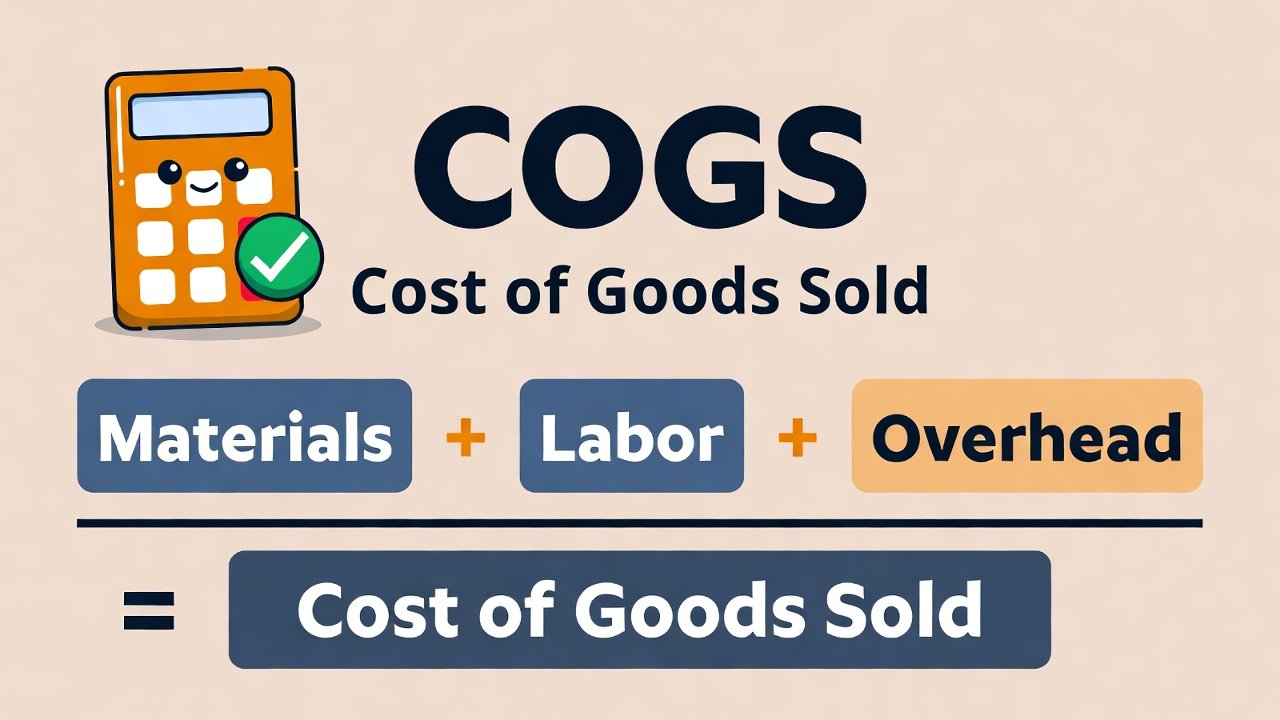
COGS stands for Cost of Goods Sold. It is the total cost to make one item you sell. This includes materials, your time, and small overhead costs.
Lower COGS means higher profit. If you spend less to make each item, you keep more money from every sale. Simple math helps your shop grow.
This guide shows you how to reduce COGS. Real steps. Honest advice. No tricks. You can do this today.
Step 1: Know Your Current COGS
You cannot reduce what you do not measure. Start by calculating your true cost per item.
List Every Cost
Write down materials for one item. Include clay, fabric, beads, paint, or whatever you use.
Add packaging costs. Boxes, tissue paper, tape, labels, and thank-you cards all count.
Include your time. Decide an hourly rate. Even $10 per hour matters. Multiply by time spent making the item.
Add Small Overhead Costs
Overhead means shared costs. A portion of rent, electricity, internet, or tools.
Example: If your studio costs $100 per month and you make 50 items, add $2 per item for overhead.
Small costs add up. Count them all to find your true COGS.
Calculate Your COGS Formula
Use this simple formula: Materials + Packaging + Labor + Overhead = COGS
Example: $5 materials + $1 packaging + $4 labor + $1 overhead = $11 COGS
Write this number down. You will use it to track improvements.
Step 2: Reduce Material Costs Smartly
Materials are often the biggest part of COGS. Small savings here make a big difference.
Buy in Bulk When It Makes Sense
Suppliers often discount large orders. Buying 100 beads may cost less per bead than buying 10.
Only bulk buy items you use often. Do not tie up cash in supplies that sit unused.
Team up with other sellers. Group orders can unlock bulk pricing without huge commitments.
Compare Supplier Prices Regularly
Prices change. A supplier that was cheapest last year may not be today.
Check three suppliers before reordering. Note price, quality, and shipping time.
Switch when it saves money. Even $0.50 per item adds up over hundreds of sales.
Reduce Waste in Your Process
Measure materials before cutting. Plan layouts to use every scrap.
Save usable scraps for smaller projects. A fabric leftover can become a hair tie or patch.
Less waste means lower material costs. Every saved piece is money in your pocket.
Step 3: Make Your Time Work Harder
Your labor is a real cost. Reducing time per item lowers COGS without cutting quality.
Batch Similar Tasks
Make five candles at once instead of one. Cut ten fabric pieces in one session.
Batching reduces setup time. You spend less time switching tasks and more time creating.
Track time saved. If batching cuts 10 minutes per item, that is real money saved.
Create Simple Templates
Use stencils, patterns, or jigs for repeat steps. This speeds up production and improves consistency.
Example: A cardboard template helps you cut fabric faster. A mixing guide ensures perfect candle scent every time.
Templates pay for themselves. One hour of setup can save many hours of work.
Organize Your Workspace
Keep tools and materials where you use them. No more hunting for scissors or glue.
Label bins and shelves. A tidy space saves minutes every day. Minutes become hours over time.
Small organization tweaks reduce frustration and speed up your work. Happy sellers work faster.
Step 4: Rethink Packaging Without Sacrificing Quality
Packaging protects your item and delights buyers. But it does not need to be expensive.
Choose Simple, Effective Materials
Plain kraft boxes often cost less than custom printed ones. Add a branded sticker for a personal touch.
Use recycled or reusable packaging. Buyers love eco-friendly choices. You save money too.
Test packaging strength. A $0.30 box that protects better than a $0.50 box is the smarter buy.
Buy Packaging in Bulk
Boxes, mailers, and tape cost less per unit when bought in larger quantities.
Store bulk packaging neatly. Use clear bins so you see what you have.
Track packaging cost per order. Small savings here add up across hundreds of shipments.
Reuse When Possible
Save clean boxes from your own orders. Use them for outgoing shipments.
Ask local businesses for spare packaging. Many give away boxes for free.
Reusing reduces waste and cost. It also shows buyers you care about the planet.
Step 5: Lower Overhead Costs
Overhead costs are shared expenses. Small cuts here lower COGS for every item.
Use What You Have
Before buying new tools, check what you already own. A kitchen scale may work for weighing wax.
Borrow or rent expensive equipment for one-off projects. Do not buy what you rarely use.
Creative reuse saves money. A cookie cutter can become a clay stamp. Think outside the box.
Share Workspace Costs
If you rent studio space, consider sharing with another maker. Split rent and utilities.
Work from home when possible. A dedicated corner costs less than a separate studio.
Lower fixed costs mean lower COGS. Every dollar saved on overhead boosts your profit.
Track Utilities and Supplies
Turn off lights and equipment when not in use. Small habits reduce electricity bills.
Buy office supplies in bulk. Pens, tape, and labels cost less per unit when bought together.
Review overhead monthly. Small cuts add up to big savings over time.
Step 6: Price and Product Strategy
Sometimes the best way to lower COGS is to change what or how you sell.
Focus on High-Margin Items
Not all items earn the same profit. Track COGS for each product. Make more of what earns the most.
Pause or retire low-margin items. Free up time and materials for better earners.
Quality beats quantity. Ten high-profit items beat fifty low-profit ones.
Simplify Complex Designs
Review your best sellers. Can you achieve the same look with fewer steps or materials?
Example: A beaded necklace with 50 beads may look nearly identical with 40 beads. Save 10 beads per sale.
Test simplified versions. If buyers love them, you lower COGS without losing sales.
Bundle to Spread Fixed Costs
Sell sets instead of singles. One listing fee, one photo session, one packaging setup covers multiple items.
Example: A set of three coasters costs less per unit to photograph, list, and pack than three separate listings.
Bundles also increase order value. Buyers feel they save money. You earn more profit per transaction.
Common Mistakes That Raise COGS
Even careful sellers make these errors. Avoid them to protect your profit.
Mistake 1: Chasing the Cheapest Materials
Very cheap supplies may break, fade, or disappoint buyers. Returns and bad reviews cost more than quality materials.
Choose reliable suppliers. Pay a little more for materials that last. Your reputation is worth it.
Balance cost and quality. The goal is lower COGS, not lower standards.
Mistake 2: Ignoring Time Costs
Many sellers count materials but forget their time. If you spend two hours on a $15 item, you lose money.
Pay yourself an hourly rate. Include it in your COGS calculation. This reveals your true profit.
Value your skill. Your time is a real cost. Treat it like any other expense.
Mistake 3: Not Reviewing COGS Regularly
Material prices change. Shipping costs rise. New tools save time. Your COGS is not static.
Recalculate COGS every 3-4 months. Adjust prices or processes based on current numbers.
Regular reviews keep your profit healthy. Small updates prevent big surprises.
Track Your Progress
Reducing COGS is a journey. Track your wins to stay motivated.
Simple COGS Tracker
Create a basic spreadsheet. Columns: Item Name, Old COGS, New COGS, Savings Per Unit, Date Updated.
Update it when you make a change. Seeing savings builds momentum.
Review monthly. Celebrate progress. Adjust what does not work.
Set Small, Achievable Goals
Do not try to cut COGS by 50% overnight. Aim for 5-10% reductions. Small wins add up.
Example: "This month, I will find a cheaper supplier for ribbon." One change at a time.
Progress beats perfection. Consistent effort creates real results.
Final Checklist: Lower COGS Ready
Before you start, confirm these points:
- I calculated my current COGS using real numbers for materials, labor, and overhead
- I identified my top three cost-saving opportunities
- I planned one small change to test this week
- I set a date to review COGS again in 30 days
- I will track savings in a simple spreadsheet
- I will not sacrifice quality or ethics to cut costs
If you checked most boxes, you are ready to reduce COGS with confidence.
Final Thoughts on Reducing COGS
Lowering your Cost of Goods Sold is not about cutting corners. It is about working smarter. Every dollar saved on COGS is a dollar added to your profit.
Start small. Pick one strategy from this guide. Test it. Track the results. Build from there.
Remember: Profit is not greedy. It is how you pay yourself, reinvest in your shop, and keep creating.
Keep learning. Keep optimizing. And keep building a shop that thrives with clear, confident numbers.
You do not need to be perfect. You just need to start. One small change at a time, you will grow your profit.
Pro Tip: Save your COGS calculation as a template. Reuse it for new items. Consistency saves time and protects your profit.
Important Note: Never reduce COGS by using unsafe materials or underpaying yourself. Ethical, sustainable practices build long-term success.